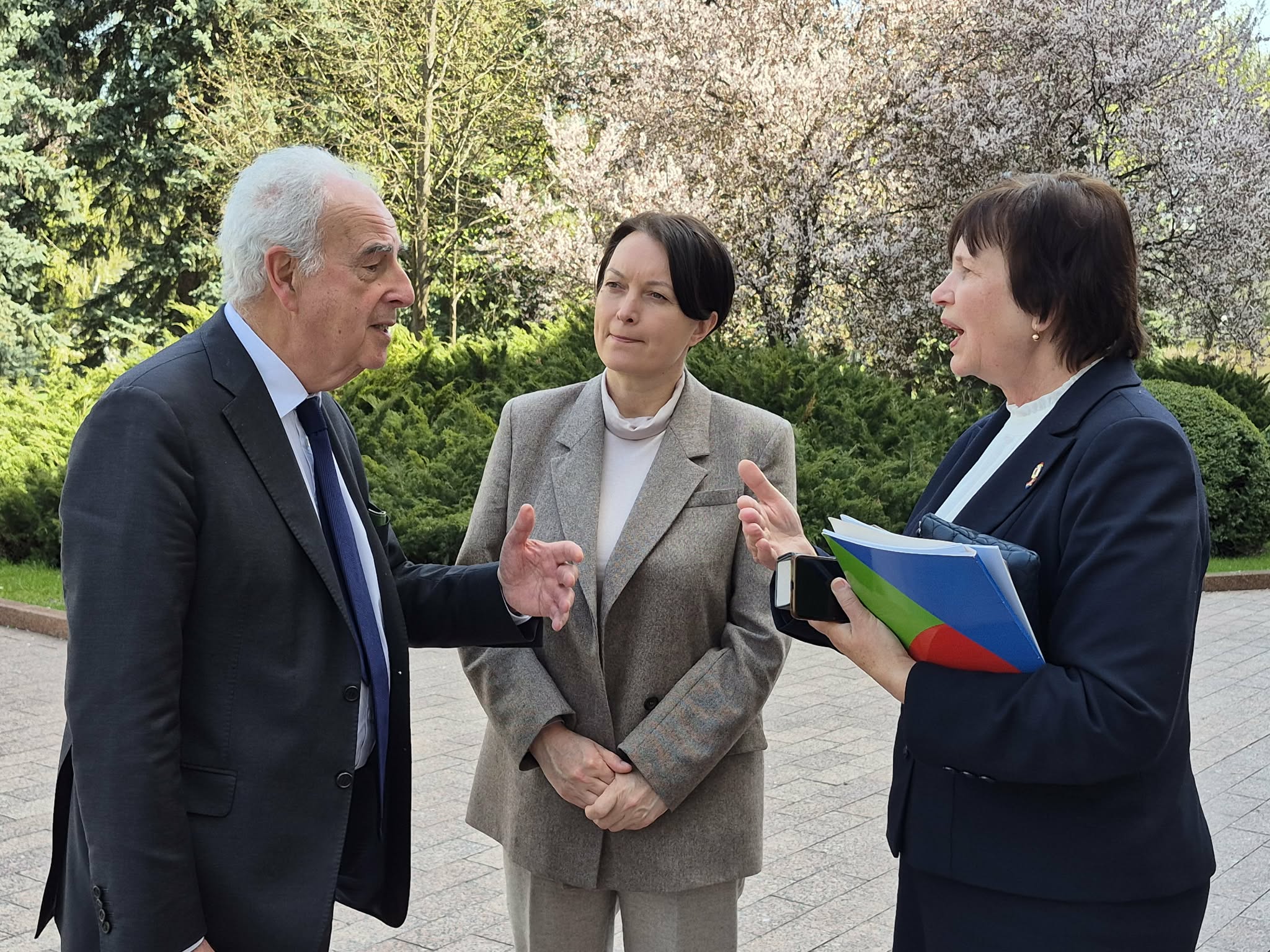
The visit took place at a critical moment, as a new draft law (No. 104, April 2026) proposing more repressive measures toward people who use drugs has passed its first reading in the Parliament of Moldova.
The draft law introduces serious concerns:
- It would require professionals—including medical personnel, social workers, and teachers—to immediately report suspected cases of drug use within their institutions. Failure to comply could result in fines and even bans from professional practice.
- The law also proposes harsher penalties for drug use and possession of small quantities.
Civil society representatives and people with lived experience of drug use shared their deep concerns, warning about the potential negative consequences of such measures.
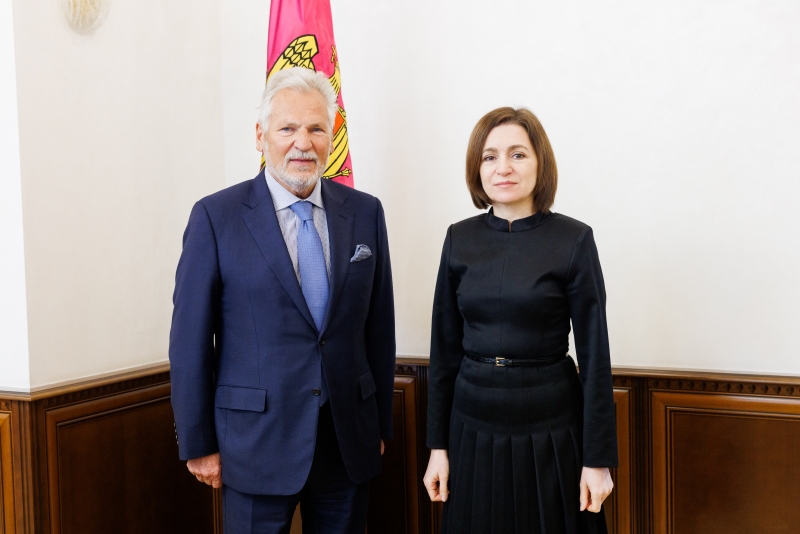
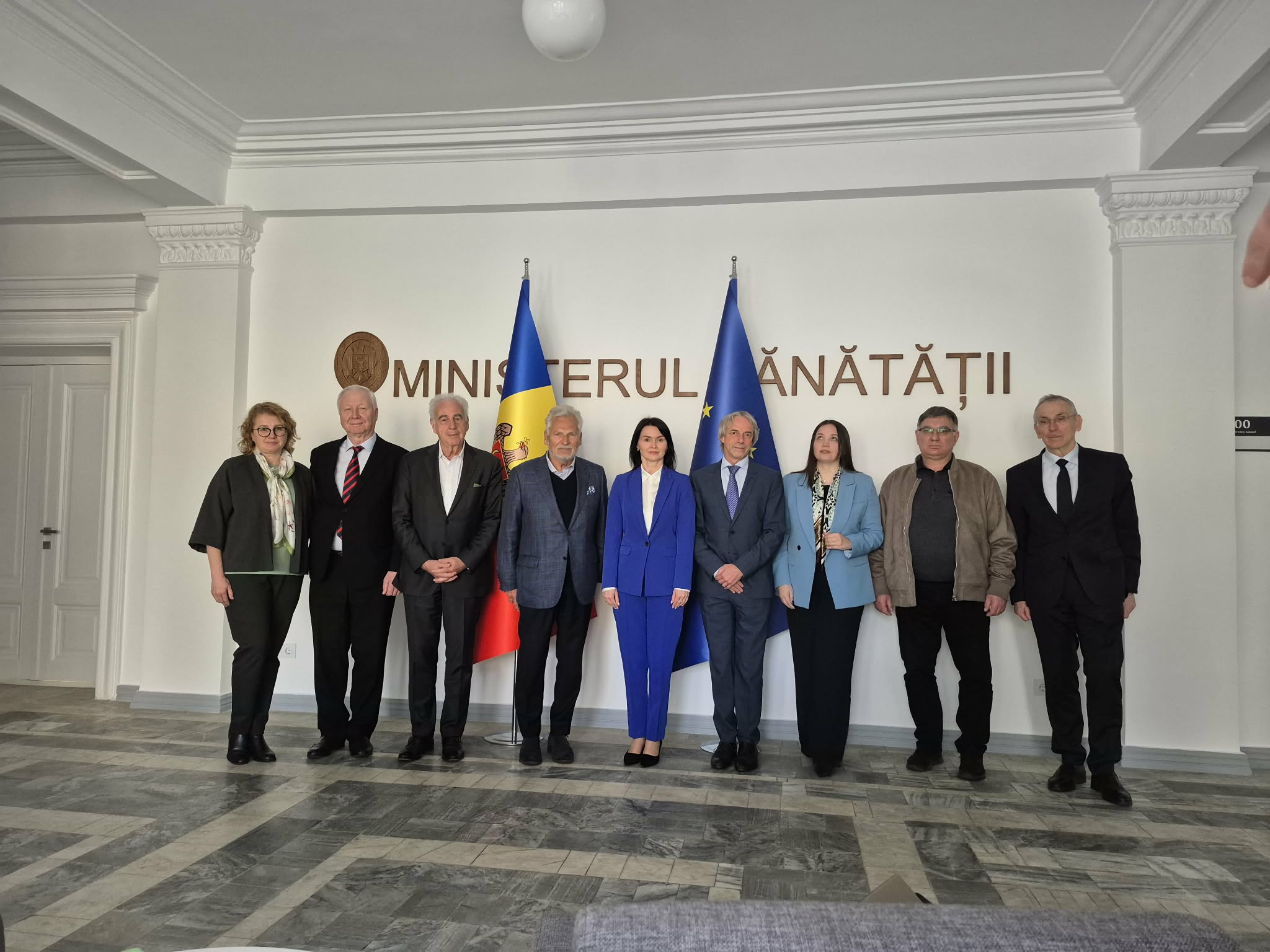
The Commission raised these concerns at the highest political level. Meetings were held with Maja Sandu, President of Moldova, the Secretary General of the Government, Members of Parliament, and the Minister of Interior, as well as with representatives from the Ministries of Justice and Health, the Ombudsman, UN agencies, and the EU Ambassador.
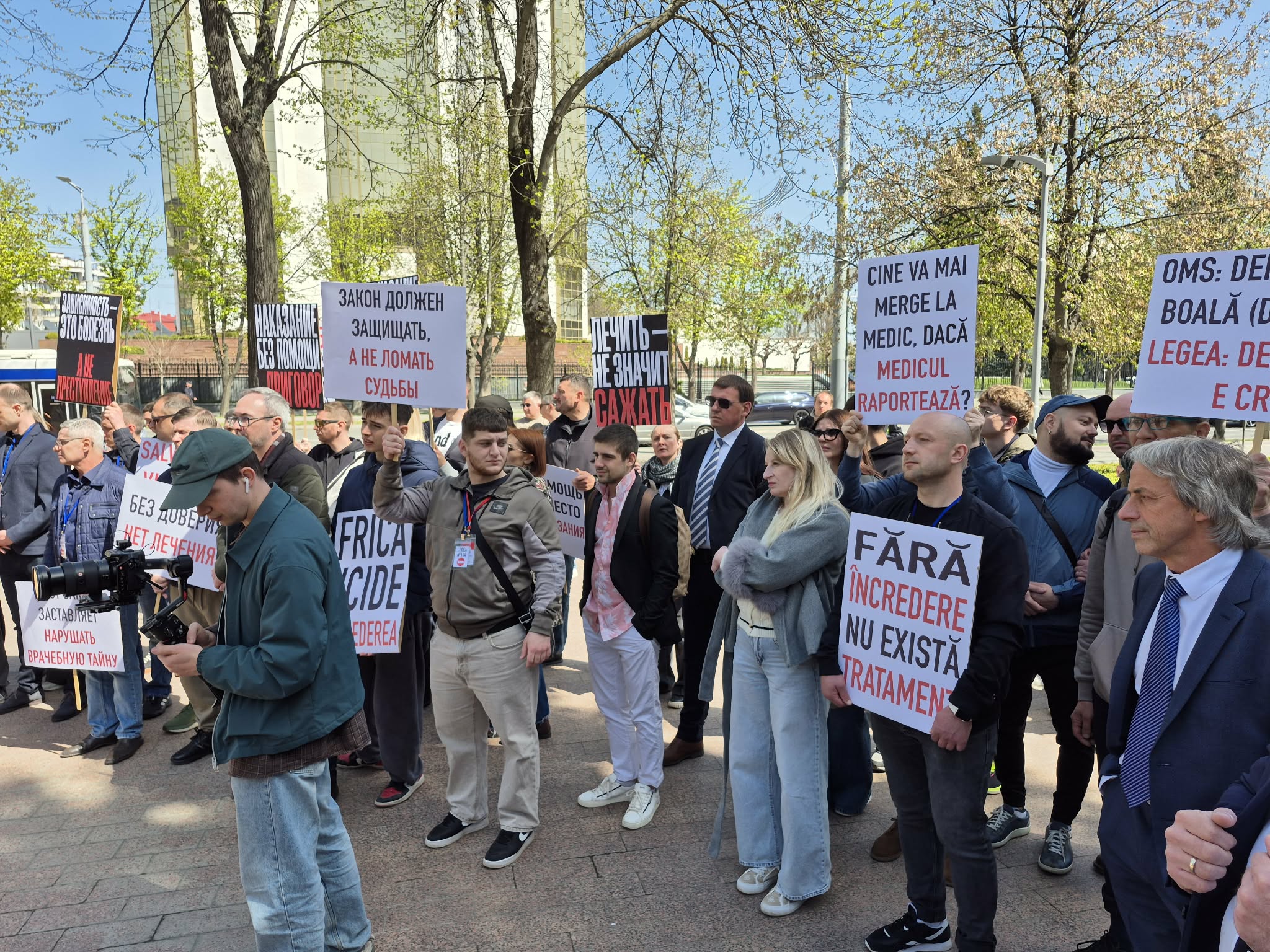
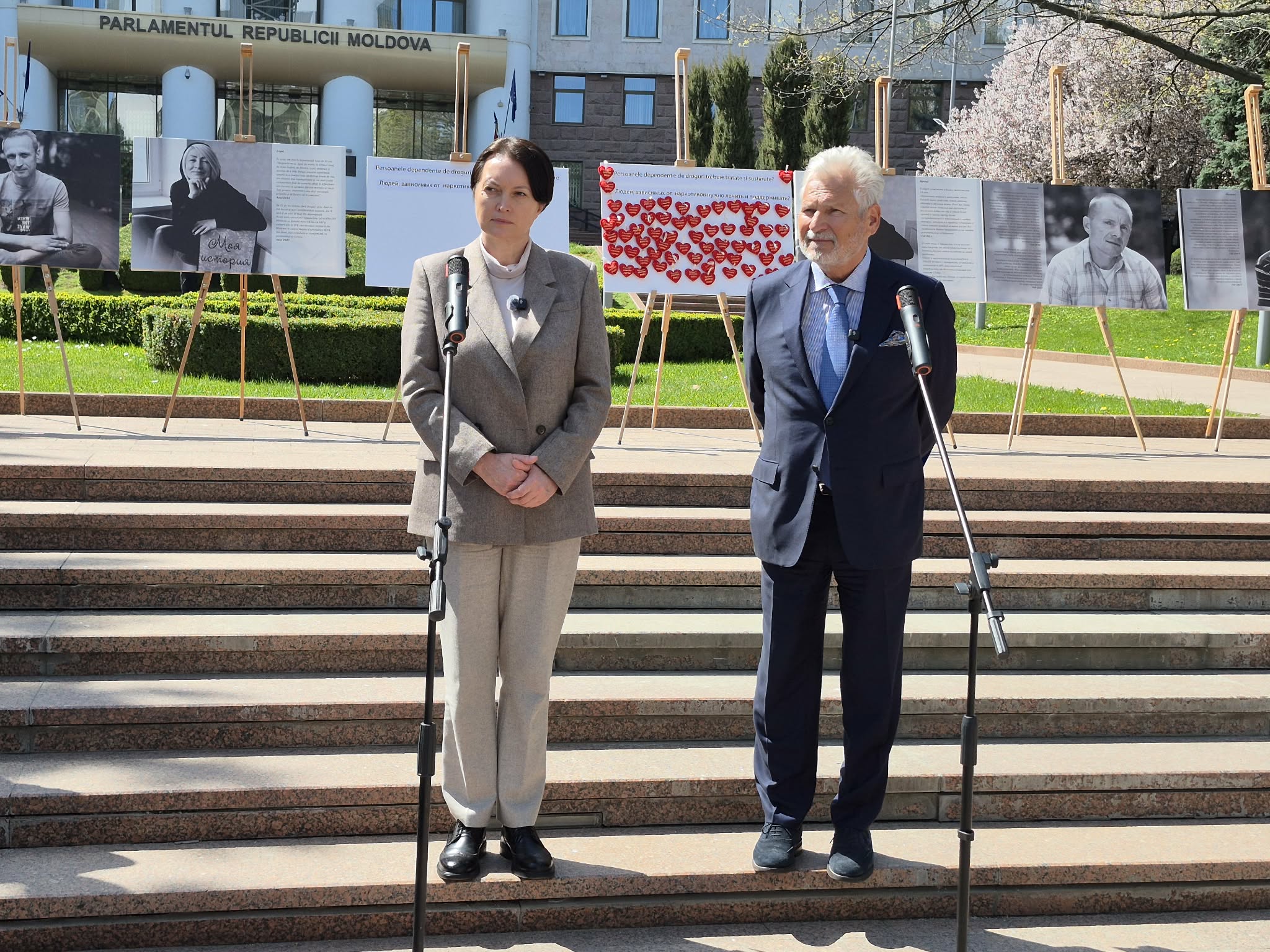
On 15 April, a protest organized by the community of people who use drugs took place in front of Parliament. President Aleksander Kwaśniewski and Member of Parliament Liliana Grosu called for a balanced approach and emphasized the importance of continuing public consultations on the draft law. Civil society representatives have since been invited to participate in these discussions the same day.
Later that day, the Anti-Drug Commission convened, bringing together stakeholders from government institutions and civil society. This provided another opportunity to highlight the potential risks the draft law poses to public health and public safety, and to advocate for continued dialogue with experts and community representatives.
The Ombudsman of Moldova also presented an analysis of the draft law, noting that certain provisions may not comply with human rights standards.
The Commission reaffirmed its commitment to continued cooperation with the Government and Parliament of Moldova, advocating for drug policies that are grounded in public health, respect human rights, and align with EU standards.
Information about the visit was shared at the: